What Role Does Deal Velocity Play in Pipeline Health?
by Mentor Group

Why Deal Velocity Matters for Revenue Leaders
If you are asking yourself “what role does deal velocity play in pipeline health?”, you are already looking beyond simple top-of-funnel metrics.
Most organisations track things like:
- Number of leads.
- Pipeline coverage versus target.
- Win rates and average deal size.
All of these matter. But how quickly opportunities move through your pipeline – your deal velocity – is just as important for understanding:
- How predictable your revenue is.
- How efficiently you use your sales capacity.
- How your deals and buyers actually feel inside the process.
Slow, sticky pipelines drain time, confidence and resources. Hyper-fast pipelines can hide poor qualification and discount-heavy closing. Healthy deal velocity sits between those extremes.
In this guide, we will explore the role deal velocity plays in pipeline health, and how to work with it deliberately – not just observe it on a dashboard.
What Do We Mean by Deal Velocity?
“Deal velocity” is how quickly qualified opportunities move from one stage to the next, and ultimately to a decision.
At a basic level, you can think of it as:
Deal Velocity = Time taken for a qualified opportunity to move from creation to closed (won or lost).
More helpfully, you can break it down into:
- Stage-level velocity
How long opportunities typically spend in each stage (for example, discovery, solution shaping, proposal, negotiation). - Segment-level velocity
How quickly deals move in different industries, regions, deal sizes or product lines. - Rep-level velocity
How consistently individuals or teams progress their opportunities.
Crucially, deal velocity is not just about speed. It is about the pattern of movement:
- Are deals flowing consistently, or bunching at certain stages?
- Are deals progressing on the basis of clear buyer actions, or just internal optimism?
- When deals slow down, do you understand why?
What Is Pipeline Health?
Before we connect the two, let’s define pipeline health.
A healthy pipeline is:
- Clean – free from obviously dead or poor-fit opportunities.
- Healthy – with the right shape, stage distribution and deal mix to support your goals.
- Sufficient – large enough, with realistic conversion assumptions, to hit target without relying on miracles.
Signs of an unhealthy pipeline include:
- A large proportion of opportunities stuck in early or middle stages.
- Old deals with no recent buyer activity.
- Too many deals in segments where you rarely win.
- Forecasts that swing wildly late in the quarter.
Deal velocity is one of the most powerful lenses you have to assess whether your pipeline is truly healthy, or just big.
How Deal Velocity and Pipeline Health Are Connected
Deal velocity affects pipeline health in at least four key ways:
- Forecast reliability
When you understand how long healthy deals typically take to move between stages, you can forecast with more confidence. If deals are consistently slower than expected, your forecast risk increases. - Capacity and productivity
Slow deals lock up sales and pre-sales capacity. Reps spend months managing opportunities that may never close, reducing time for higher-probability work. - Buyer experience
Disorganised, drawn-out buying journeys frustrate buyers and reduce momentum. Crisp, well-managed progress builds confidence. - Capital efficiency
Slow-moving pipelines delay cash conversion. In some businesses, this directly impacts working capital and investment decisions.
In other words, when you ask what role does deal velocity play in pipeline health, the answer is: it sits at the intersection of predictability, productivity, experience and cash.
The Risks of Focusing on Speed Alone
It is tempting to equate faster velocity with better performance. But speed without context can be misleading.
Common risks of chasing speed alone include:
- Shallow qualification
Reps rush through discovery just to move deals forward, leading to surprises later. - Over-promising and discounts
To close quickly, teams may over-commit or discount heavily, eroding margin and trust. - Bad-fit deals
Poor-fit opportunities may move quickly at first (everyone is excited), then stall or churn later. - Burnout
Constant pressure for speed without support, tools or clarity can exhaust teams.
Healthy deal velocity is not about blitzing through stages. It is about moving at the right speed for the deal, with clear progress at each step.
How to Measure Deal Velocity in a Meaningful Way
To use deal velocity as a lever for pipeline health, you need to measure it in a way that makes sense for your business.
Useful approaches include:
- Overall cycle time
Measure the median (not just average) number of days from opportunity creation to closed-won and closed-lost. - Stage ageing
Track how long opportunities typically remain in each stage, and where they most commonly stall. - Segment-based views
Compare velocity for different deal sizes, industries, products or regions. “Normal” velocity will differ between, say, mid-market and global enterprise. - Cohort analysis
Look at groups of opportunities created in the same period and track how quickly they move through the funnel.
Make sure you define:
- When the clock starts – often at the point of qualification, not the first marketing touch.
- What counts as movement – ideally, buyer actions (meetings, agreed next steps, documents shared), not just internal stage changes.
Interpreting Deal Velocity Alongside Win Rate and Value
Deal velocity does not exist in isolation. To understand what role it plays in pipeline health, you must read it alongside win rate and deal value.
Some simple patterns to look for:
- Fast + High Win Rate + Healthy Value
This often signals a strong fit: clear problem, clear solution, effective selling. - Fast + Low Win Rate
You may be engaging the wrong buyers, rushing qualification or competing mainly on price. - Slow + High Win Rate + High Value
This can be normal in complex enterprise deals – but you should still understand where time is spent and why. - Slow + Low Win Rate
This is the most concerning: a lot of effort tied up in deals that rarely close.
Use these patterns to ask better questions in pipeline and forecast reviews:
- Are we accepting too many poor-fit opportunities?
- Are we getting stuck at a particular stage in certain segments?
- Where does additional time genuinely add value, and where is it avoidable friction?
Recognising Unhealthy Deal Velocity Patterns
Certain velocity patterns are strong signals of pipeline health issues. For example:
- Stage bloating
Stages where opportunities linger far longer than others, usually with vague next steps. - End-of-quarter spikes
Deals that magically accelerate at quarter end, often driven by internal pressure rather than buyer readiness. - Re-cycling
Opportunities moving forwards and backwards between stages without clear buyer actions. - Silent ageing
Deals technically “in stage” but with no recent activity.
Each of these patterns tells you something about how your teams are qualifying, managing and coaching deals – and where you might need to intervene.
Levers to Improve Healthy Deal Velocity
If you have diagnosed velocity issues, there are several levers you can pull to improve movement without sacrificing quality.
1. Tighten Qualification and Entry/Exit Criteria
Clear, observable criteria for entering and exiting each stage help ensure that only real opportunities make progress.
- Define what must be known or agreed before a deal enters a stage.
- Define the buyer actions that signal readiness to move to the next stage.
- Challenge deals that sit in a stage without meeting those criteria.
This reduces “false movement” and keeps your velocity data honest.
2. Improve Deal Coaching and Support
Managers play a crucial role in deal velocity.
- Use deal reviews to focus on progression blockers, not just probabilities.
- Ask, “What needs to be true for this deal to move to the next stage?” and “Who else needs to be involved?”.
- Provide targeted support – for example, executive sponsorship, technical expertise, or tailored content – to help buyers move forward.
3. Simplify Internal Processes
Sometimes the biggest drag on velocity is your own organisation.
- Streamline approvals for pricing, discounts, legal and information security.
- Clarify who can decide what, and at what thresholds.
- Reduce unnecessary handovers between teams.
A smoother internal process shortens the time between buyer intent and your ability to respond.
4. Make the Buying Path Clear to the Customer
Buyers often move slowly because they are unsure what to do next.
- Help them map their decision process: stakeholders, steps, risks and dependencies.
- Share a simple view of what a typical buying journey looks like for similar customers.
- Co-create a mutual action plan with milestones, responsibilities and dates.
When buyers understand the path, they can navigate it more confidently – and deals move more predictably.
5. Remove Low-Value Work From Sellers
If sellers are buried in admin and internal reporting, deals will move slowly.
- Automate low-value tasks where possible.
- Standardise common assets and responses.
- Protect focus time for high-quality customer conversations.
Freeing up even a small amount of high-quality selling time each week can have a noticeable impact on velocity.
Using Deal Velocity in Your Operating Rhythm
Deal velocity should be part of your regular operating rhythm, not just something you glance at in dashboards.
Consider:
- Including stage ageing and cycle time in your standard pipeline review packs.
- Reviewing velocity by segment in QBRs – where are you seeing improvement or deterioration?
- Setting realistic velocity expectations for different deal types, and using these to support forecasting.
When managers and leaders consistently talk about velocity in the context of pipeline health, it becomes part of how the organisation thinks about performance.
How AI and Analytics Can Support Deal Velocity
Modern CRM and revenue platforms increasingly use AI and advanced analytics to surface insights about deal velocity, such as:
- Which deals are at risk based on inactivity or weak engagement.
- Which actions historically move deals forward in specific segments.
- Which reps manage to move deals quickly and maintain strong win rates.
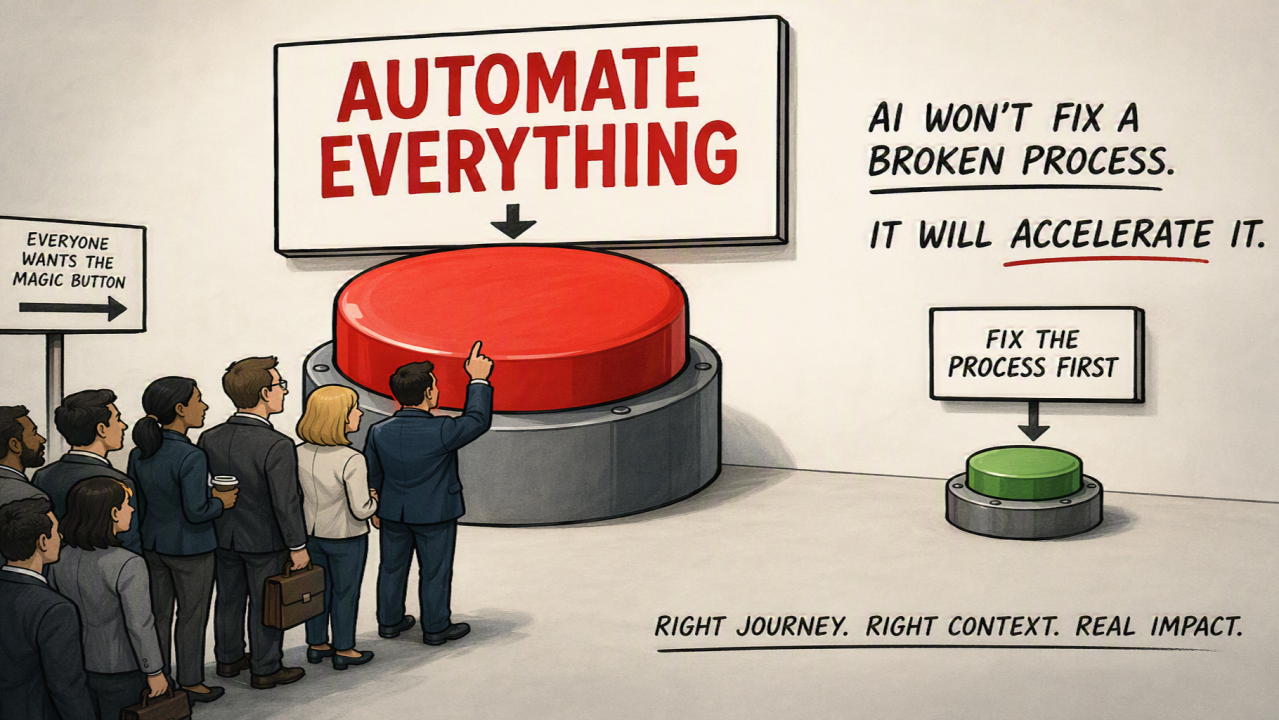
These tools can be powerful – but only if you have done the foundational work:
- Clear definitions of stages and qualification.
- Clean data on activity and outcomes.
- A culture that uses insights to coach and improve, not to punish.
Treat AI as an accelerant for good practice, not a substitute for it.
Bringing It All Together
So, what role does deal velocity play in pipeline health?
- It reveals how work and value flow through your revenue system.
- It shapes how predictable, efficient and sustainable your growth is.
- It exposes where deals are genuinely challenging and where your own processes are slowing you down.
Healthy deal velocity is not about closing everything as fast as possible. It is about:
- Moving real opportunities forwards at an appropriate, confident pace.
- Spotting and addressing stalls early.
- Freeing your teams to focus on deals where they can make the most difference.
Use this guide as a starting point to review:
- How you define and measure deal velocity today.
- How you interpret it alongside win rate and value.
- Which levers you can pull to improve movement without sacrificing deal quality.
From there, your pipeline can become not just bigger, but genuinely cleaner, healthier and more reliable – supported by deal velocity that reflects real momentum, not artificial urgency.